
I love field guides. There, I said it. The older the better, and definitely illustrated rather than photographic. In my view, nothing dates a book more than photography it contains, sadly. And besides, as an illustrator, I love seeing how the artist has created their work.
With this in mind, I often look on World of Books or eBay for nature reference books, but the best thing of course is to find them while in a charity or secondhand bookshop. Ages ago I went to Eastbourne with a friend and we ended up at Camilla’s, a famous bookseller/fire hazard with rooms stacked floor to ceiling with books of all genres. I got a Flora of Britain because it was a beautiful book, and when I got it home I realised that inserted between the pages were lovely clippings and handwritten notes. Enchanting.
I recently treated myself to a couple of Reader’s Digest nature guides as although I have the compendium, the individual titles have far more detail and beautiful spreads of the species in the natural habitat.
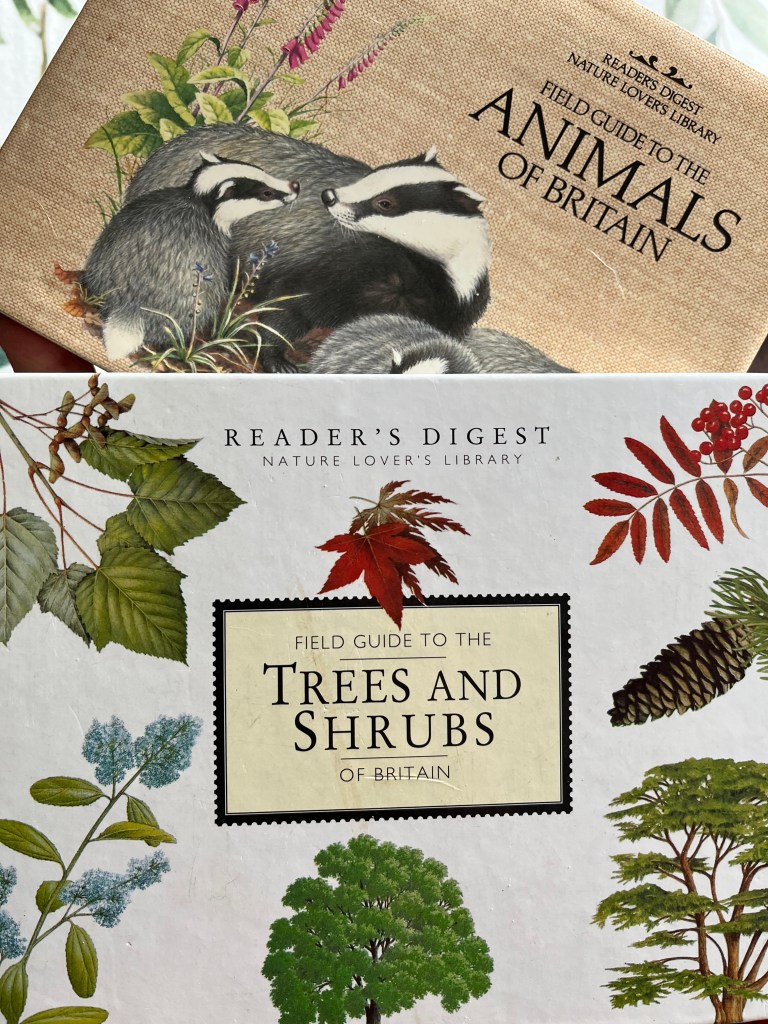
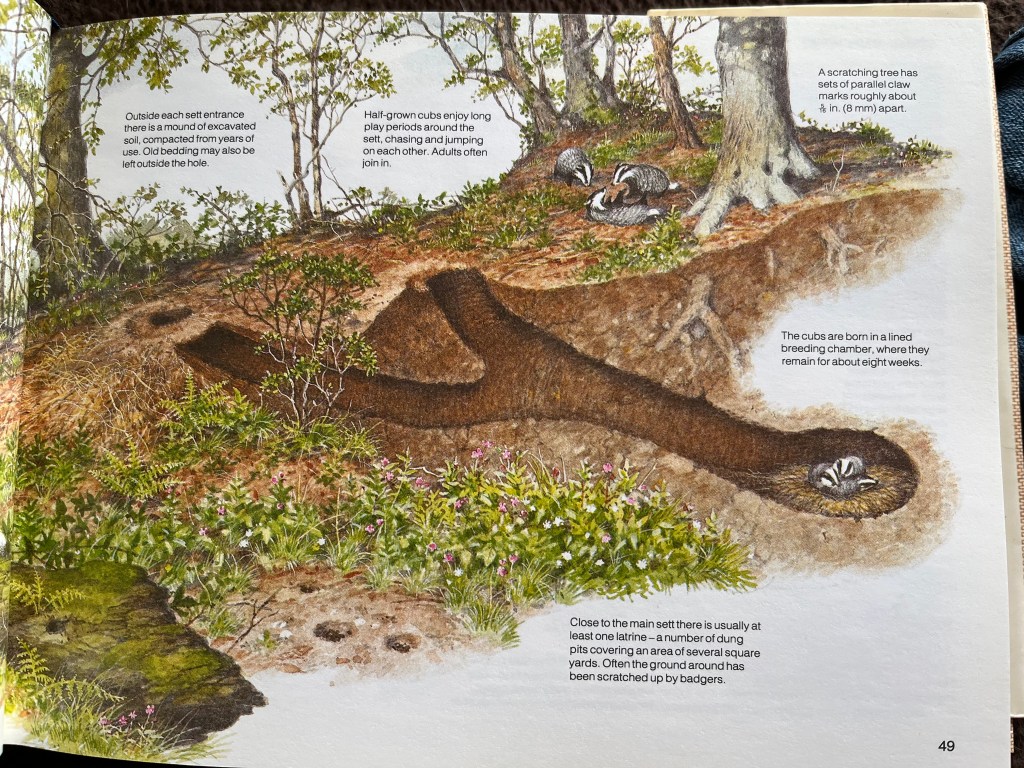
I was sorting out my tiny bookshelf to see if I could find space for my new books and had a flick through the Flora of Britain again. It struck me that the name on the inside front cover was quite unusual, and the notepaper used was from Colonsay House, and I thought I may as well see if it was someone notable, as Colonsay (part of the Inner Hebrides) isn’t a large island.
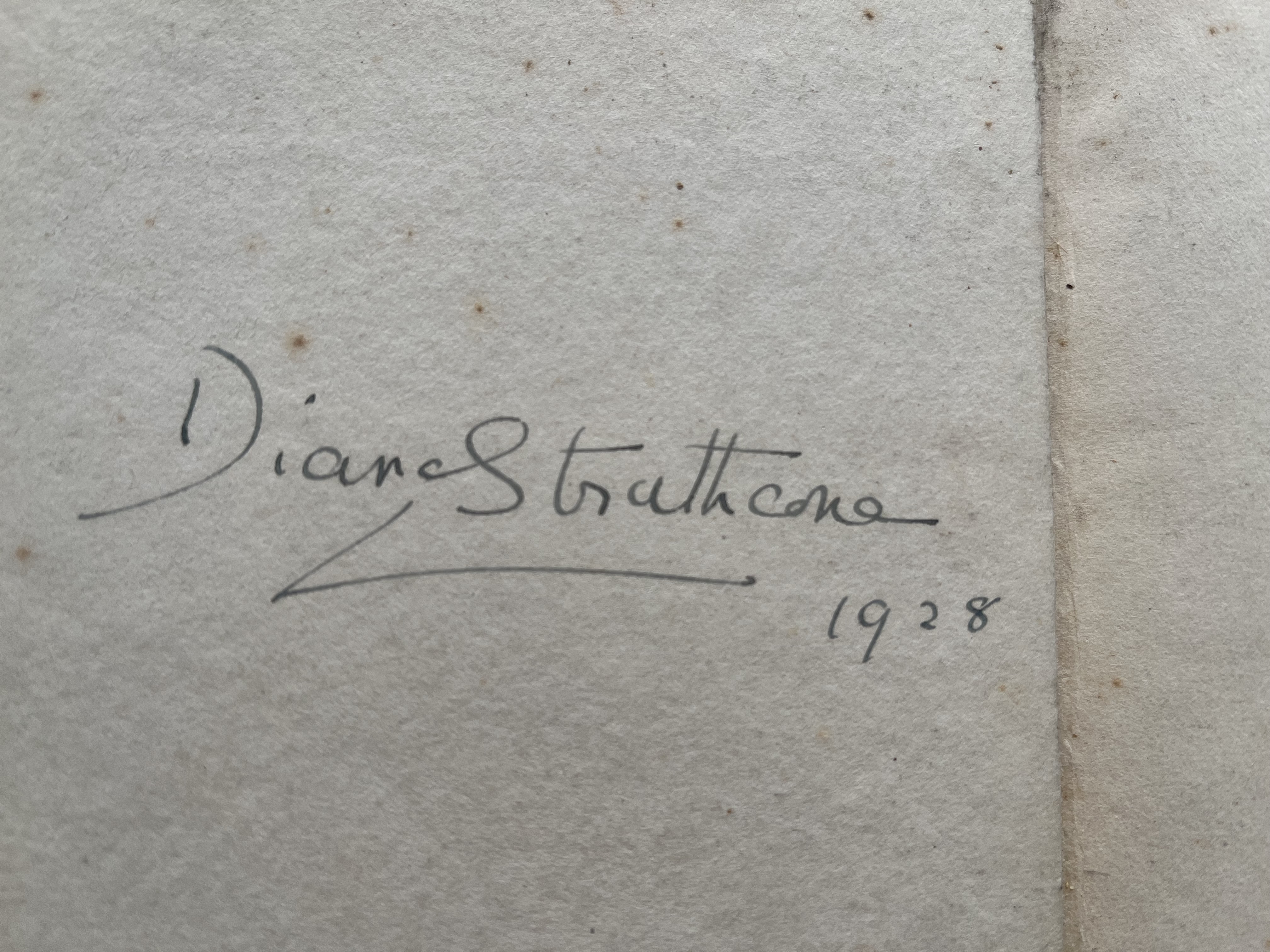

After a bit of searching online I discovered that Colonsay House is the family seat of the Barons Strathcona, and is currently owned and managed by Alex Howard, the 5th Baron and Mount Royal and his family. I did find a Diana in the records but thought it best to try and establish if my book had belonged to a relative, so emailed the Colonsay House holiday cottage bookings, having carefully constructed a message which didn’t make me sound a total weirdo.
Shortly after sending the email, I received the following in return:
Dear Jennifer
Thank you for your note.
Diana Strathcona was my grandmother. She was a brilliant artist and loved Colonsay and spent a great deal of her time here especially during World War II.
She was part of the Wakehurst family and was brought up in Wakehurst Place which is now the Kew gardens outpost in Sussex. When she married my grandfather, he became interested in Rhododendrons and created a large woodland garden on Colonsay which still exists today but in a somewhat wilder format!
We still use the same writing paper too which is fun.
Many thanks for your enquiry.
Alex
So that’s all rather lovely. What has also sparked my interest is that Diana Strathcona would have been on Colonsay at the same time that the Bloomsbury group were at Charleston. I have tried to find some of the Baroness’s artwork but there is nothing online. I might have to make a pilgrimage to Scotland one day!


That is rather lovely, I always look expectantly through any old books that I acquire hoping to find “treasure”…
LikeLiked by 1 person
Yes, this one was a superstar in that regard. This is why I prefer bookshops and stalls to online as I find more treasure in the shop copies…
LikeLiked by 1 person
How lovely, what a great find. Funnily enough we also have those Reader’s Digest’s books. They’re great to identify animals, insects, flowers. And if you do happen to like illustrated flower stories, I’m doing a weekly Substack on the origin of our wildflower names. You might like it? https://flowerology.substack.com
LikeLiked by 1 person
Oh fab, thank you – I have just subscribed!
LikeLike
and thank you for subscribing, hope you enjoy Flowerology! It’s sorrel this week.
LikeLiked by 1 person