Endangered species under threat
I listen to a really interesting podcast, In Defense of Plants, and the most recent episode was about the troubling increase in rare plant trafficking. I think we all understand the animal trafficking industry and all its attendant horrors, and we might have a passing awareness of the value and therefore nefarious activities around some of the more spectacular orchids, but the biggest problem is with humble succulents and cacti, with some species being reduced to a few hundred in the wild.
Thankfully, there are now numerous organisations who are taking this matter very seriously, and in the podcast, San Diego Zoo Wildlife Alliance, among others, offer a rehabilitation and rescue service for seized and confiscated plants, bringing them back to health with a view to repatriation or if not, reproductive programs, outreach, education and research.
Issues regarding illegal removal of native species
Of course, plants serve a baseline purpose in nature, providing the bedrock for the rest of the ecosystem in any particular place. The loss or drastic reduction of a particular member of the ecosystem will result in knock-on effects.
There are likely to be species which rely on those plants for food or other uses, and especially in arid areas – where many of the trafficked succulents and cacti hail from – play an important role in moisture management. In harsh environments species tend to be slow-growing, meaning it takes a long time for the population to naturally regenerate.
Another consideration is that most of the plants are collected and transported improperly, resulting in death and poor health for those that do make it to a destination. This is even more poignant considering the scarcity of many of the species.
How to help
- if you’re a houseplant enthusiast, be sure to check the credentials of any plant supplier before purchasing a new specimen
- learn how to propagate using plants you already have (many plant shops will run workshops or provide materials for this)
- swap desirable specimens with other plant parents
- look for plants to rehome
- do not buy online unless 100% sure the plants are ethically and responsibly sourced
- do your research: flag any queries or suspicious accounts with your local authorities
- stick to well-known varieties rather than jumping on any faddy trends
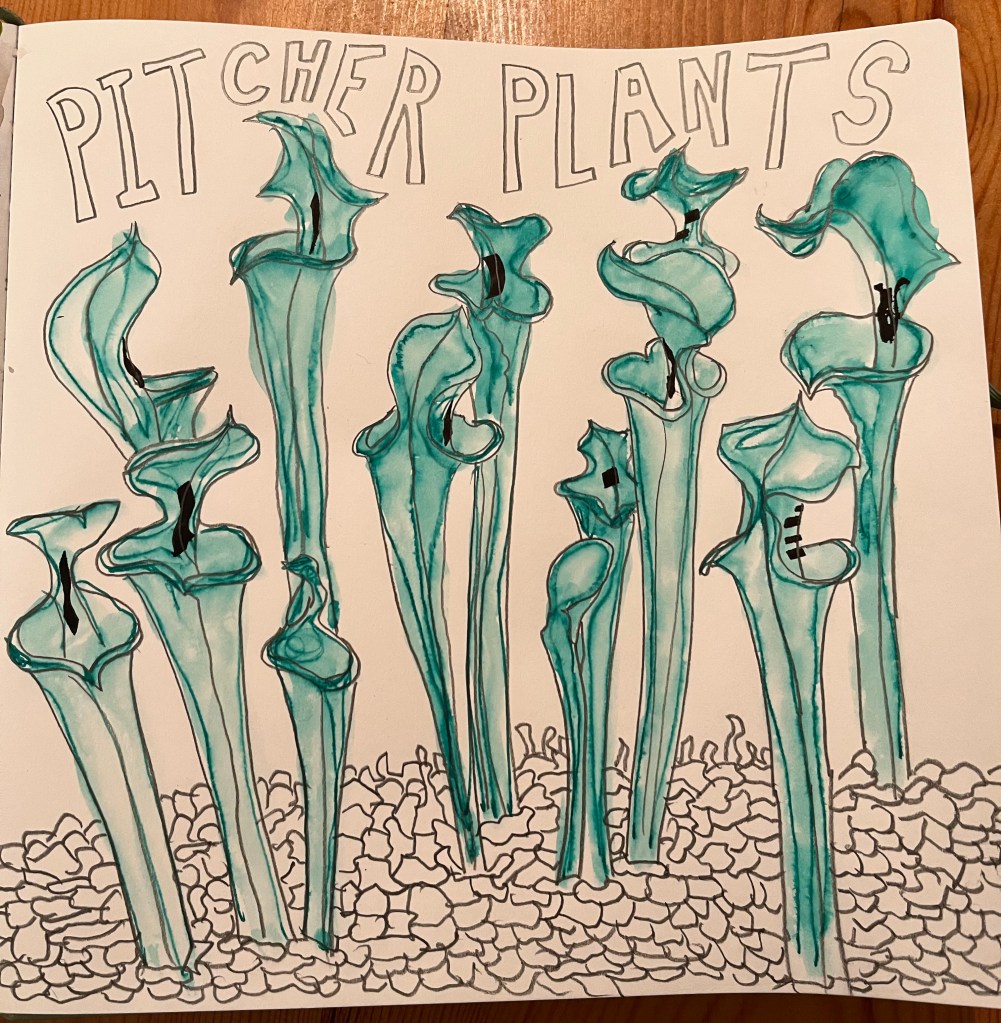
I didn’t feel it was right to do artwork of these highly endangered species, as part of their appeal is their beauty, and it feels wrong somehow to celebrate something for it’s desirability when that is its downfall. So, here are some pitcher plants at Kew Gardens, another significant supporter in the battle against the illegal plant trade.